Key Takeaways
- Understand the federal contracting process.
- Identify in-demand products and services.
- Avoid common bidding mistakes.
- Leverage resources to find contract opportunities.
- Present a strong value proposition to win bids.
To win federal contracts, you must first grasp the federal contracting process and align your business capabilities with government needs. Recognizing in-demand products and services, avoiding common bidding pitfalls, and presenting a strong value proposition are crucial. Leveraging resources like the SBA and GSA can streamline your path to securing federal contracts.
How to win federal contracts or see when available?

Winning federal contracts requires a strategic approach, starting with visibility. Use platforms like FedBizOpps to view available contracts and forecast upcoming opportunities. Consistently monitor these platforms to align your offerings with government needs and position your business as a capable supplier.
Regularly checking platforms like FedBizOpps ensures you’re aware of opportunities the moment they arise. Staying informed allows you to tailor your proposals to specific contracts. Additionally, networking within industry events and attending procurement conferences can provide insider insights that are not always apparent online.
How do federal contracts work?

Federal contracts are agreements between a business and the government to provide goods or services. They follow a structured process of bidding, evaluation, and awarding, ensuring compliance with federal standards. Understanding this process is essential for positioning your company competitively.
These contracts typically begin with a solicitation where the government outlines its needs. Businesses respond with proposals detailing how they meet these needs, often including pricing, timelines, and capabilities. The government evaluates these proposals based on criteria like cost-effectiveness and technical merit, awarding contracts to those that best fulfill the objectives.
What are the requirements to apply for federal contracts?
To apply for federal contracts, businesses must meet specific criteria, such as being registered in the System for Award Management (SAM) and often needing certifications like those from the SBA. Compliance with federal regulations and demonstrating the capability to fulfill contracts are also crucial.
A DUNS number and NAICS codes are necessary to identify your business sector and capabilities. Furthermore, businesses need to have a strong financial background and past performance records indicating reliability and quality. These elements collectively ensure that businesses are prepared to meet government standards and fulfill contract obligations.
How can small businesses compete for federal contracts?
Small businesses can compete for federal contracts by leveraging set-aside programs and forming strategic partnerships. Utilizing resources like the SBA can provide guidance and support in understanding the federal marketplace, making them strong contenders against larger companies.
Programs like the 8(a) Business Development Program, HUBZone, and Women-Owned Small Business (WOSB) help level the playing field. By building relationships with larger contractors for subcontracting opportunities, small businesses can increase their visibility and experience, crucial for winning larger projects. For more personalized strategies, consider booking a call with experts.
What types of services or products are in demand for federal contracts?
Federal contracts often demand services and products in sectors like technology, construction, and defense. Identifying these in-demand areas and aligning your offerings can position your business favorably in the federal marketplace.
The government frequently seeks IT solutions, cybersecurity services, infrastructure projects, and defense-related products. Staying updated with government procurement trends can help businesses anticipate and meet these demands. For a deeper dive into aligning your services, explore Justin’s learning programs.
What are common mistakes to avoid when bidding on federal contracts?
Avoid common mistakes such as underestimating project scope, mispricing, and failing to meet compliance standards when bidding on federal contracts. Thorough research and preparation are key to crafting competitive bids.
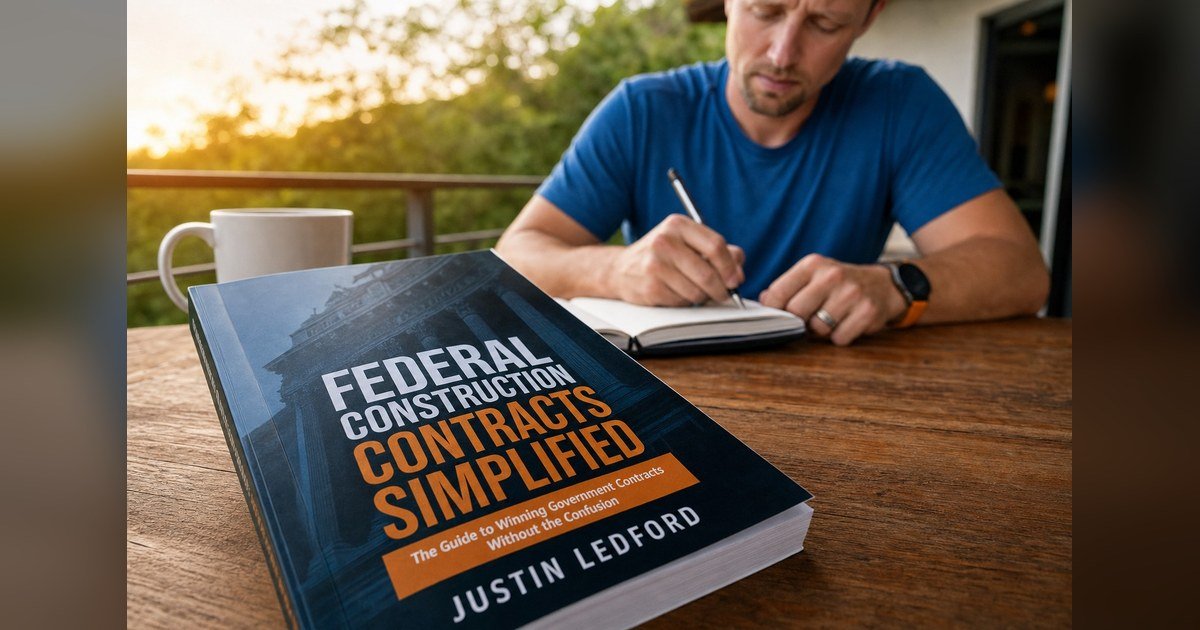
Incomplete submissions and ignoring solicitation details often lead to disqualification. Ensure all required forms are complete and adhere to formatting guidelines. Mispricing can also be detrimental, as the government seeks cost-effectiveness without sacrificing quality. For guidance, get the book on federal contracting.
| Successful Strategies | Common Mistakes |
|---|---|
| Thorough market research | Underestimating project scope |
| Accurate pricing and cost assessments | Mispricing |
| Compliance with all federal regulations | Ignoring compliance standards |
| Building relationships with procurement officers | Lack of networking and relationship building |
How do I find federal contract opportunities in my industry?
Discover federal contract opportunities in your industry by regularly reviewing platforms like FedBizOpps and GSA. Registering with these platforms ensures you receive notifications about relevant contracts.
Networking in industry circles and participating in government-sponsored events can also uncover less-publicized opportunities. Leveraging industry associations and attending procurement events provide insights into upcoming contracts and trends. These strategies collectively enhance your visibility and increase your chances of securing contracts.
How to win federal contracts effectively?
Winning federal contracts effectively involves demonstrating superior value through detailed proposals and strong past performance. Highlighting your business’s unique strengths and maintaining compliance with government standards sets you apart from competitors.
Crafting a compelling proposal that addresses the government’s needs while showcasing your capabilities is crucial. Investing in proposal writing training and seeking feedback from experienced contractors can refine your approach. Regularly updating your SAM registration and keeping financial documents organized further strengthen your submissions.
Transform Your Business with Proven Strategies
To truly excel in winning federal contracts, you need more than just information—you need actionable strategies. Explore Justin’s learning programs for insights and techniques from someone who’s successfully mastered this arena. Whether you’re just starting or looking to optimize your current efforts, these resources can transform your federal contracting approach. Ready to step up your game? Book a call for personalized guidance tailored to your business needs.
Frequently Asked Questions
How to win federal contracts or see when available?
To win federal contracts, you must understand the bidding process and stay updated on available opportunities. Websites like FedBizOpps help you track upcoming contracts.
How do federal contracts work?
Federal contracts are agreements between the government and businesses to provide goods or services. They involve a proposal process, evaluation, and award based on the best value.
What are the requirements to apply for federal contracts?
Requirements can include registration in the System for Award Management (SAM), having a DUNS number, and compliance with specific industry regulations.
How can small businesses compete for federal contracts?
Small businesses can compete by leveraging set-aside contracts, networking, and showcasing their unique strengths and capabilities.
What types of services or products are in demand for federal contracts?
In-demand services vary but often include construction, IT services, and professional consulting. Researching specific agency needs can provide valuable insights.
What are common mistakes to avoid when bidding on federal contracts?
Common mistakes include underbidding, failing to follow instructions, and lack of clarity in proposals. Avoiding these increases your chances of success.
How do I find federal contract opportunities in my industry?
You can find federal contract opportunities by using platforms like FedBizOpps and reviewing agency-specific contract announcements.
What resources are available for learning about federal contracting processes?
Several resources are available, including the SBA’s learning center and various federal contracting webinars to help you understand the process better.