Key Takeaways
- Understand the federal contracting landscape.
- Properly register your business to qualify for contracts.
- Be aware of common challenges in the application process.
- Seek training and resources to enhance your chances.
- Expect a detailed and potentially lengthy process.
To get federal contracts, you need to understand the landscape of federal contracting, which includes identifying opportunities, meeting qualifications, and handling the application process. Proper registration and preparation are crucial to meet federal requirements. While challenges exist, with the right resources and guidance, you can successfully secure federal contracts.
How can I find federal contracting opportunities?

Finding federal contracting opportunities involves knowing where to look and how to manage the vast array of available projects. The primary sources for these opportunities are SAM.gov, the official U.S. government site for contract listings, and the U.S. Small Business Administration, which provides resources and guidance to small businesses seeking contracts.
Begin by registering on SAM.gov, where you can search for contracts by industry, location, and other criteria. Set up email alerts to stay informed about new opportunities. Additionally, check the Federal Business Opportunities website and network with agencies and prime contractors who often post subcontracting opportunities. Utilizing these resources, you can effectively identify and pursue federal contracts that align with your business capabilities.
What are the steps to apply for federal contracts?
Applying for federal contracts involves a structured process that includes registration, proposal submission, and compliance with federal regulations. Start by ensuring your business is registered on SAM.gov, which is a prerequisite for bidding on federal contracts.
1. Register on SAM.gov: Ensure your business has a DUNS number and is registered on the System for Award Management.
2. Identify Opportunities: Use resources like SAM.gov to find suitable contracts.
3. Prepare a Proposal: Tailor your proposal to meet the specific needs and requirements of the contract.
4. Submit Your Bid: Follow the submission guidelines carefully to ensure your bid is considered.
Each step requires attention to detail and adherence to specific guidelines, making preparation and understanding of the Federal Acquisition Regulation crucial for success.
What qualifications do I need to bid on federal contracts?
To bid on federal contracts, your business must meet certain qualifications, including registration with SAM.gov and compliance with the Federal Acquisition Regulation. Additionally, specific contracts may require technical expertise or certifications related to the project scope.
Businesses should have a solid track record of delivering similar projects, along with financial stability to undertake government contracts. It’s also beneficial to have past performance evaluations, which can be obtained through previous government or commercial projects. Building strong relationships with agency procurement officers and understanding the nuances of federal contracting can further bolster your qualifications.
How do I register my business for federal contracting?
Registering your business for federal contracting involves obtaining a DUNS number, registering on SAM.gov, and understanding the requirements of the Federal Acquisition Regulation. This registration is critical for qualifying to bid on contracts.
Visit SAM.gov to start the registration process. You will need basic business information and a DUNS number, which you can acquire for free. Once registered, keep your information up-to-date to maintain eligibility for federal contracts. Understanding the registration process thoroughly ensures you’re fully prepared to engage with federal opportunities.
What are the common challenges in obtaining federal contracts?
Several challenges can arise when seeking federal contracts, including complex regulations, competitive bidding, and the need for precise documentation. Federal contracts often require compliance with a multitude of federal regulations, such as the Federal Acquisition Regulation.
Competition is another challenge, as many businesses vie for the same contracts. This makes it essential to differentiate your proposal with unique value propositions. Additionally, the government contracting process can be lengthy and complex, requiring meticulous attention to detail and commitment to follow through on every requirement.
Where can I get training for federal contracting processes?
Training for federal contracting can be obtained through various resources, including federal agencies, online courses, and specialized programs. The U.S. Small Business Administration offers workshops and guides tailored to small businesses.
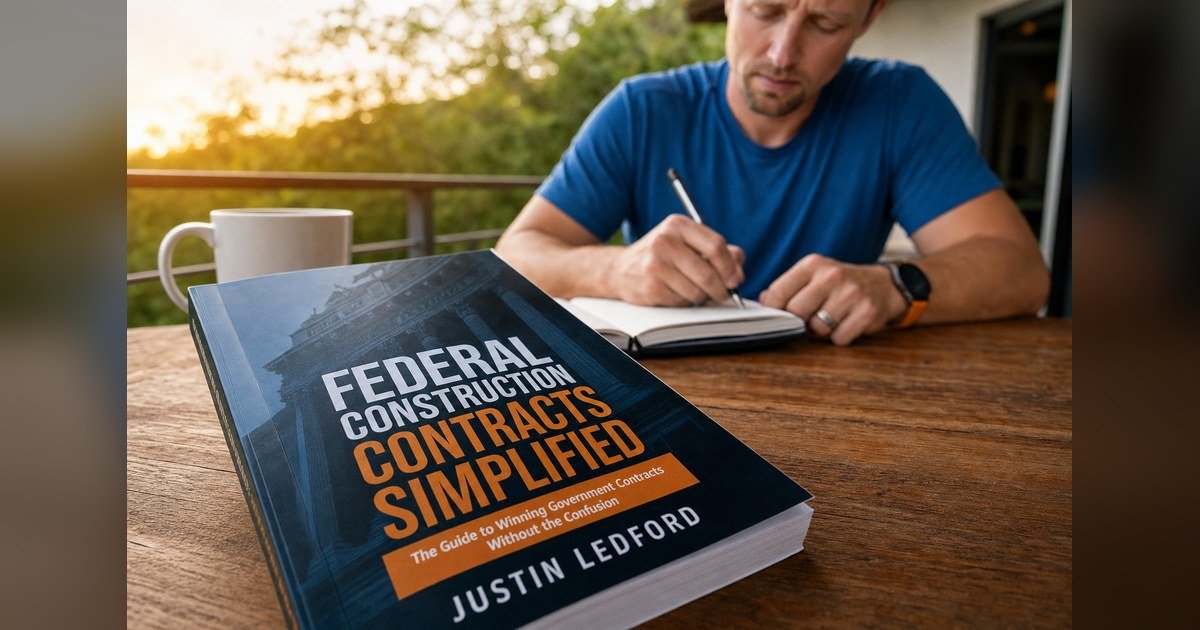
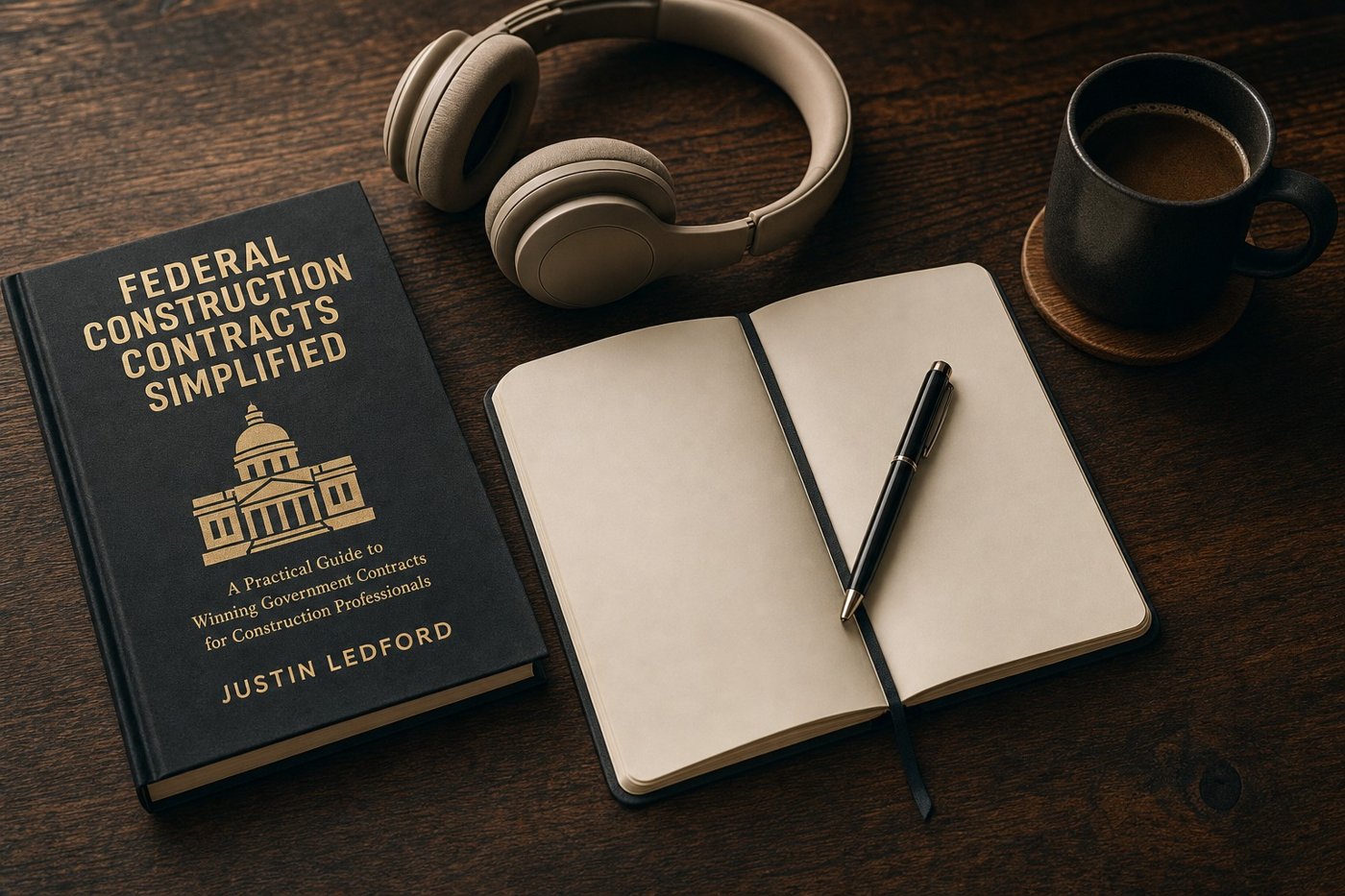
Consider programs like those offered by Justin Ledford, who provides comprehensive training through coaching programs and resources like his book on federal contracts. These resources offer insights and strategies from experienced professionals who have successfully managed the federal contracting landscape.
How long does it take to get federal contracts?
The timeline to secure federal contracts can vary significantly based on the complexity of the contract, the agency involved, and your preparedness. It can take anywhere from a few months to over a year to get federal contracts, depending on these factors.
The initial registration process on SAM.gov can take several weeks, and proposal preparation requires careful attention to detail. Once submitted, the evaluation by the government can also be time-consuming, so patience and persistence are key in this competitive field.
What should I expect during the federal contracting process?
During the federal contracting process, expect detailed scrutiny of your proposals, compliance checks, and a competitive environment. Agencies will evaluate bids based on quality, compliance, and cost-effectiveness.
The process involves submitting proposals, undergoing evaluations, and potentially engaging in negotiations. Understanding the Federal Acquisition Regulation and maintaining open lines of communication with procurement officers will be vital. Staying organized and proactive is essential to manage this complex process successfully.
| Type of Contract | Description |
|---|---|
| Fixed-Price Contracts | Set price for specific deliverables, regardless of costs incurred. |
| Cost-Reimbursement | Covers allowable costs related to fulfilling the contract. |
| Time and Materials | Payment based on time spent and materials used, with agreed-upon rates. |
| Indefinite Delivery | Flexible contracts for supplies/services over a period, quantity unknown. |
Take Your Next Step Toward Federal Contracts
Getting federal contracts isn’t just about applying—it’s about strategy, preparation, and persistence. Dive into a wealth of knowledge with Justin Ledford’s federal contracting resources. For personalized guidance, explore his coaching programs. Ready to transform your business? Get the book on federal contracts and take your first step today.
Frequently Asked Questions
How can I find federal contracting opportunities?
You can find federal contracting opportunities on websites like SAM.gov and FedBizOpps. These platforms list active bids and allow you to search by industry and location.
What are the steps to apply for federal contracts?
To apply for federal contracts, register your business on SAM.gov, identify suitable opportunities, and submit a proposal that meets all outlined requirements.
What qualifications do I need to bid on federal contracts?
Qualifications may vary, but generally, you need to be a registered business, meet bonding requirements, and demonstrate relevant experience and capabilities.
How do I register my business for federal contracting?
Register your business on SAM.gov by providing your DUNS number, tax identification, and business details. This registration is crucial for eligibility.
What are the common challenges in obtaining federal contracts?
Common challenges include understanding the complex regulations, intense competition, and the need for thorough documentation in proposals.
Where can I get training for federal contracting processes?
Consider attending workshops offered by the SBA or local procurement technical assistance centers. Online resources and courses are also available.